Skip to content

Confident monitor buying, simplified.

Verdicts for gamers, creators, and coders.

Display Verdict turns dense spec sheets into plain, purchase-ready conclusions—so you can choose the right panel type, size, and resolution for your setup without getting lost in marketing terms. As of September 22, 2026, the page highlights five practical shortlist picks built from publicly available information.

Featured Picks

Five proven monitor targets that cover most real-world setups—without forcing you into overkill specs.

ASUS ROG Swift PG27AQDM

Best Esports

The cleanest path to high frame-rate play when you want fast motion and an easy load on the graphics card.

8/10
Editorial score
  • High-refresh focus
  • easier GPU workload
  • compact desk fit
  • Lower pixel density
  • limited workspace for creation

Dell UltraSharp U2723QE

Best All-Rounder

The sweet spot for many PCs—sharper than 1080p, still achievable performance, with OLED contrast for games and media.

8/10
Editorial score
  • Strong contrast
  • sharp 27-inch detail
  • premium motion potential
  • Costlier than IPS
  • burn-in concerns vary by use

LG 27GR95QE-B UltraGear OLED

Best HDR Value

For buyers who want a bright, punchy image with a high-resolution desktop—without committing to OLED's tradeoffs.

8/10
Editorial score
  • High brightness potential
  • strong 4K workspace
  • good for mixed lighting
  • Blooming risk
  • thicker designs are common

Samsung Odyssey G8 OLED G80SD

Best Creator Hybrid

A premium option when you want the 4K desktop feel and OLED contrast, and you're willing to manage OLED-specific considerations.

  • Deep blacks
  • high perceived clarity
  • cinematic contrast
  • Often expensive
  • text rendering preferences vary
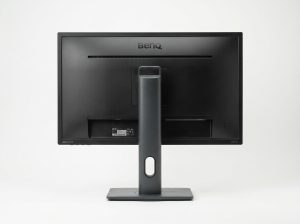
BenQ SW272U

BenQ SW272U

Best Immersion

A wide, wraparound format that favors single-screen productivity and expansive games—especially if you dislike dual-monitor seams.

  • Wide workspace
  • immersive field of view
  • strong contrast
  • Takes desk depth
  • some apps need layout tuning

Latest Reviews

New verdicts and updated roundups appear here as they're published—focused on what to buy, and why.

All Reviews

Choose Your Lane

Four common setups that change what good means—and what to ignore.

High‑FPS Gaming

Prioritize refresh, motion handling claims, and clean overdrive language; don't overbuy resolution if it costs frames.

Color Work

Look for clear gamut and accuracy statements in documentation, plus consistent behavior across brightness levels and modes.

Office Clarity

Favor sharp text and comfortable brightness control; treat extreme refresh as optional unless you also game.

Console Ready

Confirm supported resolutions and refresh options in official specs, and don't assume a port label equals full capability.

Buyer Checklist

Six fast checks that prevent mismatches between your desk, your graphics output, and what the spec sheet actually promises.

Open Guide
  • Set your target size
  • Match resolution to GPU
  • Verify inputs you need
  • Check refresh support details
  • Choose panel tradeoffs
  • Plan for ergonomics
Snapshot

The right monitor changes everything

Pick the correct size and resolution first, then let refresh rate and panel type refine the experience—not the other way around.

Verdict‑Driven Buying

If you're shopping in 2026, you'll see more overlap than ever: high refresh shows up outside pure gaming, higher resolution is easier to drive with modern hardware and scaling, and premium panel tech is no longer limited to a single enthusiast category. That's good news, but it also means spec sheets are packed with terms that look decisive and often aren't. A port label doesn't guarantee the same real-world options across devices; a single headline refresh number doesn't tell you how motion is managed at different frame rates; and HDR-capable can range from subtle to genuinely impactful depending on how brightness and local dimming are implemented. The safest way to buy is to decide your usage priority—ranked play, creation, coding-heavy workdays, or mixed use—then select the display class that aligns with it, and finally compare real candidates based on what their official documentation and widely published reporting actually state.

How We Review

Next Step

Find your next display

Choose a lane, open a verdict, and walk away with a shortlist that fits your desk, your hardware, and your priorities.